
Dr. Claire E. Murray

Associate Astronomer

Dr. Claire E. Murray

Space Telescope Science Institute  ·  ISM* Group

I study the interstellar medium (ISM) at the onset of star formation. By combining spectroscopic and photometric surveys spanning radio through ultraviolet wavelengths, I map the 3D structure, kinematics, and physical properties of the diffuse ISM in the Milky Way and nearby galaxies.

Research Interests

Scylla survey logo
HST · JWST · Roman

Unveiling the ISM at high resolution via resolved stellar photometry

Using deep photometry of millions of resolved stars from space-based surveys of nearby galaxies, spanning the infrared (IR) through UV, my group resolves the ~parsec-scale structure of the ISM via its embedded dust content, completely independently of the systematics associated with standard emission tracers. I am the PI of Scylla: a 350-orbit panchromatic Hubble Space Telescope imaging survey of the Magellanic Clouds, and a leading member of ongoing and upcoming Local Group surveys with HST, JWST and Roman. My goals are to: (1) map dust extinction and grain properties at high resolution across diverse interstellar conditions; (2) constrain the multi-dimensional structure of dust in the Large and Small Magellanic Clouds; and (3) measure the comprehensive star formation and chemical enrichment histories of nearby galaxies.

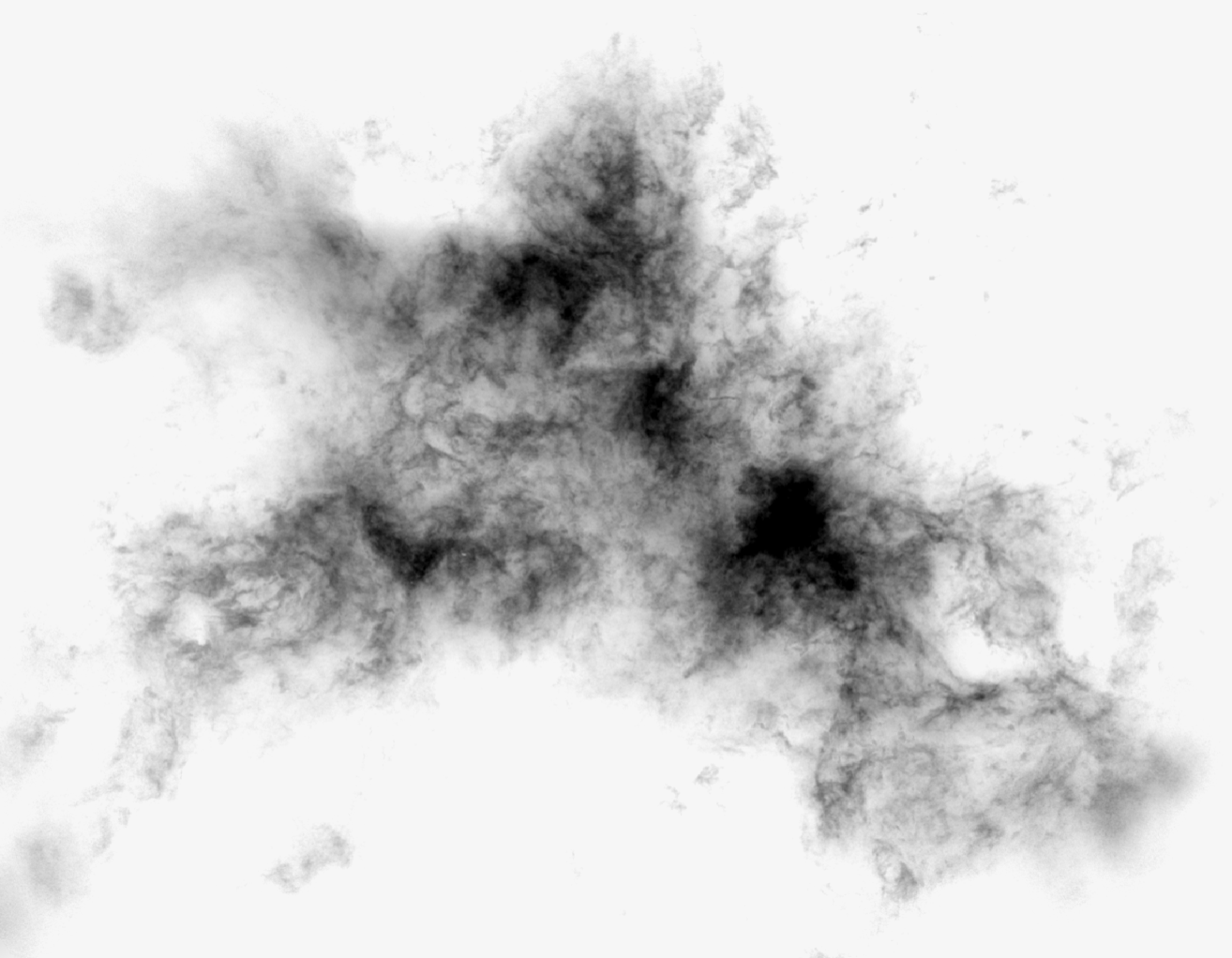
Small Magellanic Cloud dust structure
SMC · Dust · Kinematics

Resolving the 3D structure and kinematics of the ISM

I combine multi-wavelength surveys to infer the 3D structure and kinematics of the ISM in the Milky Way and nearby galaxies. Recently, I used young, massive stars to trace the line of sight structure of dust in the Small Magellanic Cloud — one of our nearest neighbors and key laboratory for ISM physics — and found that the galaxy is forming stars in two separate systems eclipsed along our line of sight. I am currently leveraging high-resolution 3D dust maps to resolve the distance to HI clouds in the Local Bubble and infer its kinematic properties on large scales for the first time.
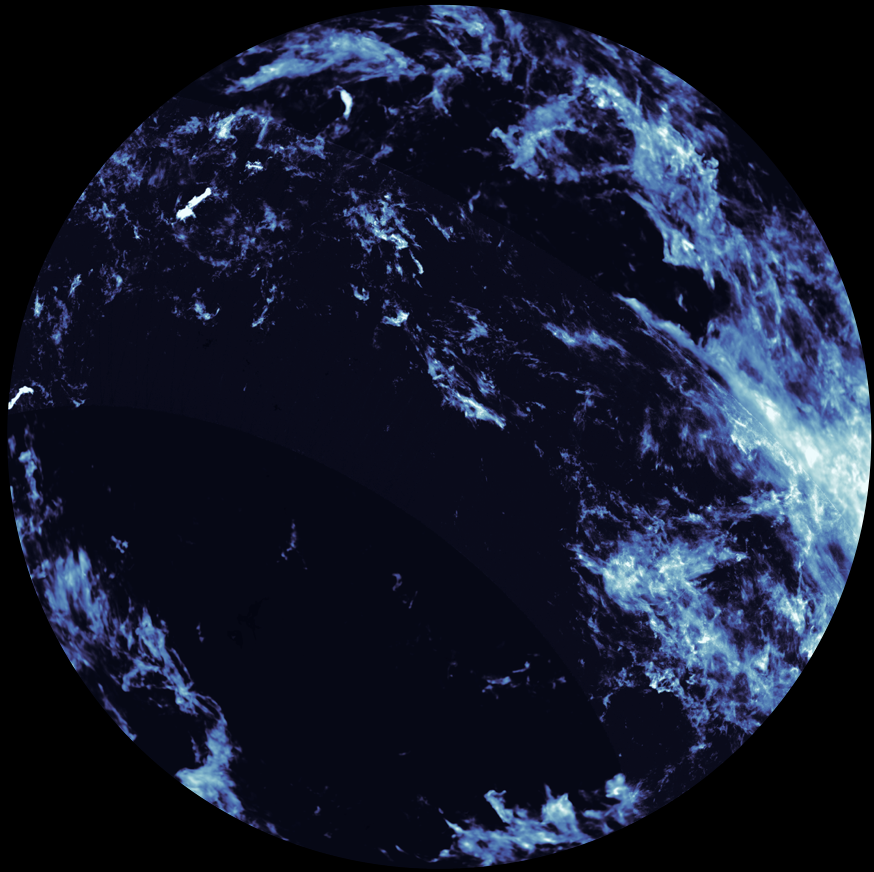
CNN cold neutral medium map
VLA · HI · Machine Learning

Unraveling the phases of diffuse gas in the Milky Way

I build advanced algorithms to extract the thermal properties of the diffuse, neutral ISM at the onset of star formation. For my PhD, I led 21-SPONGE, the largest, most sensitive survey of Galactic HI absorption at the Karl G. Jansky Very Large Array (VLA). I detected absorption by the warm neutral medium (WNM) with an unexpectedly high temperature, showed that optically-thick HI does not dominate the "dark" gas in the local ISM, and found that the dust to gas ratio varies significantly between warm and cold neutral media. I am interested in applying machine learning methods to next-generation HI surveys to extract full phase information from the cold, warm and unstable neutral media.

Contact